


Description
Table of Contents
Understanding Constipation in Dogs and Cats
Digestive health is a cornerstone of your pet’s overall well-being. When a dog or cat struggles with bowel movements, it isn’t just uncomfortable—it can lead to serious health complications if left untreated. Whether it’s due to age, diet, or a recent medical procedure, finding a reliable laxative is crucial for restoring comfort and normal metabolic function.
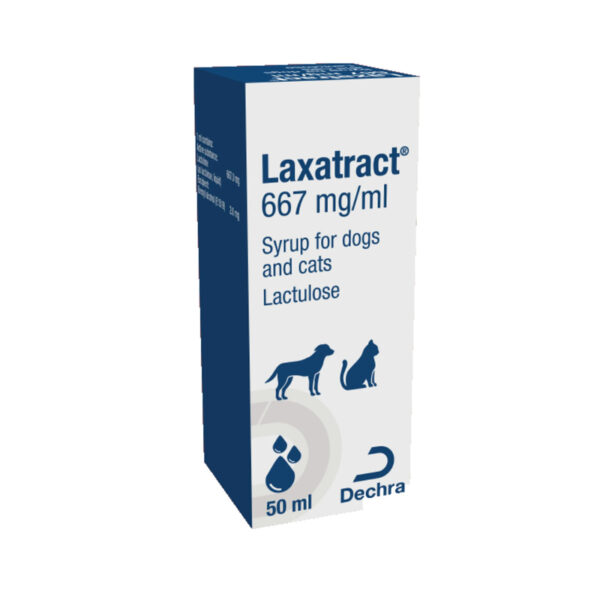
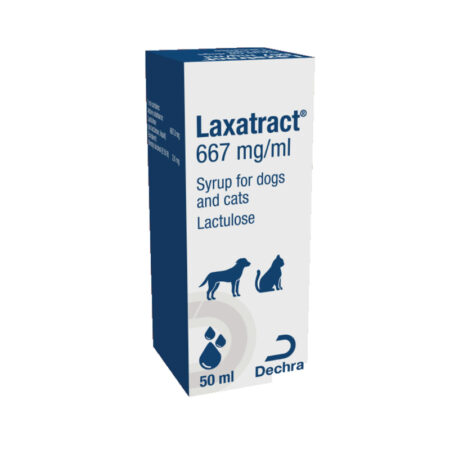
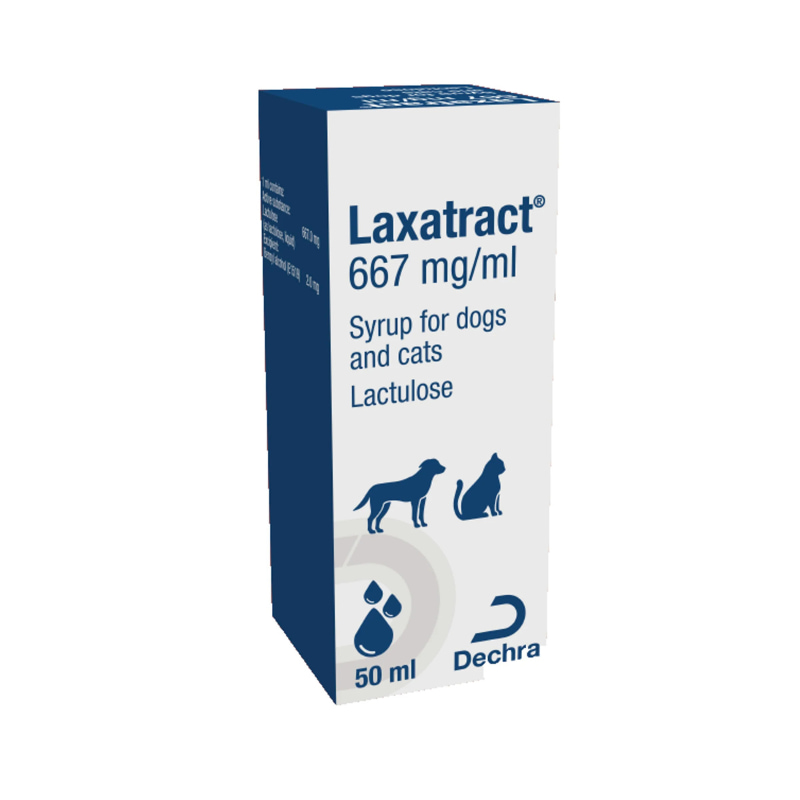
Laxatract 50 ml is a professional-grade oral solution designed by Dechra to provide targeted relief. Formulated with Lactulose (667 mg/ml), it offers a gentle yet effective way to manage constipation in both canine and feline patients. As a trusted essential in the veterinary cabinet, this syrup helps move massive intestinal contents safely, ensuring your pet gets back to their happy, active self.
The Science of Osmotic Relief: How Lactulose Works
Not all treatments for constipation work the same way. Laxatract belongs to a class of drugs known as osmotically acting laxatives. Unlike stimulant options that can sometimes cause harsh cramping, an osmotic laxative works with your pet’s body to create a natural transition.
Drawing Moisture into the Colon
The active substance, Lactulose, is a synthetic sugar that is not absorbed into the bloodstream. Instead, it travels to the colon where it draws water from the surrounding tissues into the intestinal tract. This process softens the stool and increases its volume, which naturally stimulates the intestinal muscles to move. By increasing the water content of the feces, Laxatract makes the passage of waste much easier and significantly less painful for your pet.
When to Use Laxatract: From Hairballs to Post-Surgery
There are many reasons why a pet might experience a backup in their digestive system. Laxatract is versatile enough to handle both acute and chronic situations.
Essential Support for Common Feline and Canine Issues
-
Intestinal Atony: Often seen after major abdominal surgery, where the gut “slows down.”
-
Hairballs: A frequent struggle for cats in Qatar, especially long-haired breeds like Persians. Laxatract helps lubricate and move these blockages through the system.
-
Massive Intestinal Contents: When a pet has ingested something that is difficult to pass, this syrup provides the necessary moisture to clear the path.
By acting as a gentle laxative, Laxatract ensures that these blockages do not lead to more severe conditions like megacolon or complete intestinal obstruction.
Image Placeholder: [Bottle of Laxatract 50 ml Oral Solution with Syringe] Alt Text: Laxatract osmotic laxative syrup for dogs and cats.
Facilitated Defecation for Sensitive Medical Conditions
In some cases, a pet isn’t just constipated; they have an underlying condition that makes straining dangerous. Facilitated defecation is a medical necessity for pets suffering from:
-
Partial Obstructions: Such as those caused by tumors or pelvic fractures.
-
Rectal Diverticulum: Where the intestinal wall has weakened.
-
Proctitis and Poisoning: Where rapid but gentle elimination of toxins or waste is required.
In these sensitive scenarios, using a proven laxative prevents further injury to the rectal area and reduces the systemic stress associated with difficult bowel movements.
Safety, Adverse Reactions, and Veterinary Guidance
Laxatract is a POM-V (Prescription Only Medicine), meaning it should only be used under the guidance of a veterinary professional. While highly effective, it is important to monitor your pet during the initial phase of therapy.
Common Early Reactions: It is common for pets to experience mild flatulence, gastric distention, or slight cramping when they first start the treatment. These symptoms typically abate as the body adjusts to the Lactulose.
Signs of Overdose: If your pet develops diarrhea or signs of dehydration, the dose may be too high. In these instances, you should contact your veterinarian immediately to adjust the treatment plan. Always ensure your pet has access to plenty of fresh water, as osmotic laxatives rely on hydration to function effectively.
Dosage and Administration for Daily Success
One of the benefits of Laxatract is its palatability. The sweet-tasting syrup can be given directly into the mouth or mixed easily with your pet’s favorite wet food.
Standard Dosage Guideline: The recommended dose is 400 mg of lactulose per kg of body weight per day. This translates to 0.6 ml of Laxatract per kg.
-
Example: A 5kg cat would require 3.0 ml per day.
-
Frequency: It is best to divide the daily dose into 2 or 3 smaller servings throughout the day.
-
Results: Please be patient. It typically takes 2–3 days of consistent treatment before the full effect is seen.
Internal Link: Explore our Feline Gastrointestinal Diet range for long-term digestive support
External Link: Study on the use of Lactulose for managing chronic constipation and hepatic encephalopathy in small animals

There are no reviews yet.