


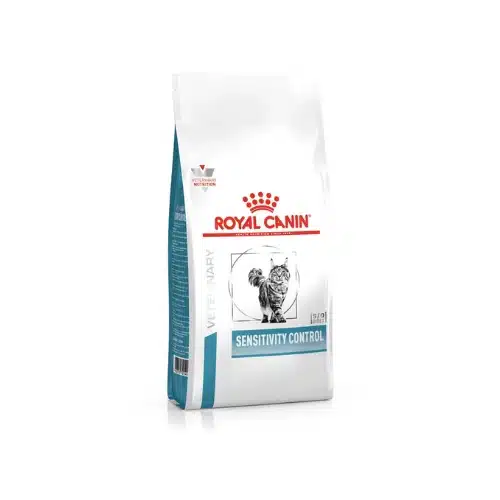

Description
Table of Contents
Identifying Adverse Food Reactions in Cats
Does your cat struggle with persistent itching or chronic digestive upsets? These are often signs of a food sensitivity or a nutrient intolerance. When a cat’s immune system reacts to a specific ingredient, it can manifest as dermatological issues (skin redness and scratching) or gastrointestinal signs like vomiting and loose stools.
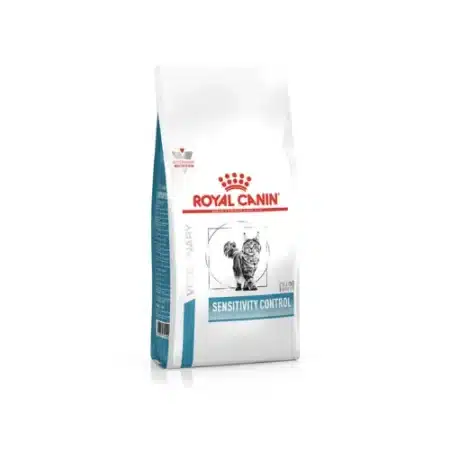
Royal Canin Veterinary Health Nutrition Sensitivity Control is specifically formulated to address these needs. Since 1968, Royal Canin has relied on proven nutritional science to deliver precisely balanced diets for pets with specific health requirements. This formula is the ultimate choice for pet parents seeking to eliminate common allergens while providing complete, life-sustaining nutrition for their adult cats.
The Science of Selected Protein Sources
The most effective way to manage a food sensitivity is to limit the number of potential triggers. Most commercial cat foods contain a wide variety of protein sources, which makes it nearly impossible to pinpoint the cause of a reaction.
Limited Ingredients for Maximum Safety
Royal Canin Sensitivity Control utilizes a restricted number of protein and carbohydrate sources to minimize the risk of an adverse reaction. This specific dry formula features dehydrated duck protein (30.8%) and rice (43.2%).
Duck is often considered a “novel” protein, meaning it is less commonly found in standard grocery-brand cat foods. By using a protein source your cat’s immune system is less likely to recognize as a threat, we can effectively manage the signs of intolerance. If your cat has struggled with traditional chicken or beef-based diets, this duck and rice combination provides a proven alternative.
Strengthening the Skin Barrier with EPA/DHA
When a cat has a skin sensitivity, their natural protective barrier is often compromised. This allows moisture to escape and allergens to enter, leading to a cycle of inflammation and scratching.
This diet is enriched with long-chain Omega-3 fatty acids, specifically Eicosapentaenoic Acid (EPA) and Docosahexaenoic Acid (DHA). These essential fatty acids are vital for maintaining healthy skin and a glossy coat. Furthermore, the formula includes a specific nutrient complex designed to support the skin’s natural protective barrier, helping to lock in moisture and protect against environmental irritants.
Digestive Security for Chronic Diarrhea Management
A sensitive stomach requires more than just the right protein; it requires a formula that is easy on the entire digestive tract. Chronic diarrhea is a common sign of food intolerance that can lead to dehydration and nutrient malabsorption.
Promoting a Balanced Microbiome
Royal Canin Sensitivity Control is formulated with nutrients that support a balanced digestive system. The inclusion of fermentable and non-fermentable vegetable fibers ensures optimal transit time through the gut. This “digestive security” helps firm up stools and ensures that your cat is absorbing the vitamins and minerals they need for long-term health, even when their system is under stress from a sensitivity.
Image Placeholder: [Bag of Royal Canin Sensitivity Control Dry Cat Food for Food Intolerances] Alt Text: Royal Canin Sensitivity Control dry food for feline skin and digestive sensitivity.
Urinary Health and the S/O Index
Even though this diet focuses on the skin and gut, Royal Canin never ignores the importance of the bladder. Like many of our veterinary formulas, Sensitivity Control is designed with the S/O Index.
This means the food is formulated to promote a healthy urinary environment, making it difficult for struvite and calcium oxalate crystals to form. It provides a holistic approach to your cat’s health, ensuring that while you are treating their food sensitivity, you are also protecting their renal and urinary function.
Daily Feeding Guidelines & Veterinary Protocols
As part of the Royal Canin Veterinary Range, this product must only be fed when recommended by a pet professional. Transitioning your cat to this diet should be a gradual process over 7 to 10 days to avoid further gastric upset.
Feeding Guidelines for Maintenance: | Cat’s Weight (kg) | Thin (g/day) | Normal (g/day) | Overweight (g/day) | | :— | :— | :— | :— | | 2 kg | 44g | 36g | 29g | | 4 kg | 71g | 60g | 48g | | 6 kg | 95g | 80g | 64g | | 8 kg | 117g | 98g | 78g |
Important Note: This product is formulated for the reduction of ingredient and nutrient intolerances. It is recommended to seek a veterinarian’s opinion before use. Feed for 3 to 8 weeks initially; if signs of intolerance disappear, this feed can be used for up to one year.
Internal Link: Explore our Wet Food range of Sensitivity Control Slices in Gravy External Link: Research on the efficacy of novel protein diets for feline adverse food reactions

There are no reviews yet.