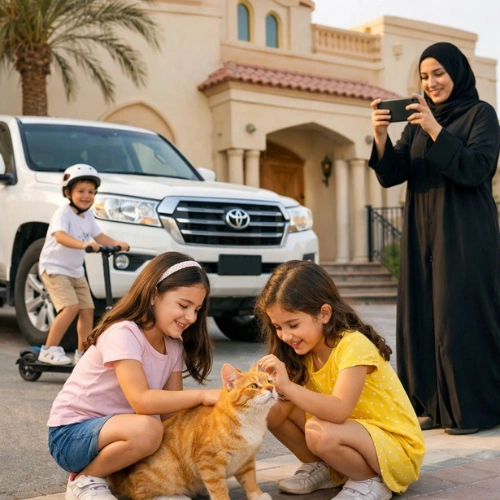
Congratulations! You opened your door and found a beautiful, wide-eyed orange cat waiting for you. Or maybe you were walking through the park and a tiny ginger soul decided you were “The One.” You felt that instant spark of love, and now you’re ready to transition from a passerby to a proud pet parent.
But while your heart is full, that loud meow is a reminder that their stomach is very, very empty.
Adopting a stray on impulse is a beautiful, life-changing moment, but the first 24 hours are critical. You aren’t just bringing home a pet; you’re taking in a hungry, likely confused little survivor who needs more than just a bowl of kibble to feel safe.
To ensure your new “orange baby” goes from a scruffy wanderer to a pampered house cat, you need a plan that covers health, hunger, and harmony. Here are the 5 essential steps you must take the moment you decide to answer that hungry meow and bring them into your home.
1. The Essential First Vet Visit
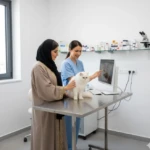
Within the first 24 hours of adoption, you should book an appointment at a reputable clinic in Qatar.
What the Vet Will Check:
- Respiratory & Heart: Cats in Qatar are prone to Upper Respiratory Infections. The vet will listen to their lungs and heart function.
- Ears & Skin: Checking for ear mites (common in rescues) and skin allergies or ringworm.
- Nutrition & Supplements: Based on the cat’s weight and age, the vet may recommend specific formulas (like Purina Pro Plan) or supplements for coat health.
2. The “Big Three” Protections
Your vet will set up a schedule for three critical medical requirements:
- Deworming: Internal parasites are common. Your cat will need a tablet or syrup treatment to clear their system.
- Ectoparasite Protection: Protection against fleas, ticks, and mites. Even indoor cats need this in Qatar’s climate!
- Vaccinations:
- TRICAT (The Core Vaccine): Protects against feline viral rhinotracheitis, calicivirus, and panleukopenia.
- Rabies: Mandatory for all pets in Qatar and essential for legal documentation.
3. Your Cat’s Legal Identity: Passport & Microchip
During the visit, the clinic will issue a Vaccination Book (Pet Passport). This is a legal document that tracks every shot and medical milestone.
- The Microchip: A tiny chip (the size of a grain of rice) is injected under the skin. It contains a unique 15-digit ID number.
- Why it matters: It is the only permanent way to link your pet to you.
4. The Digital Safety Net: SafePetQatar.qa
Once your pet is microchipped, you have one vital homework assignment: Register them on SafePetQatar.qa .
How it Saves Lives:
- The Searchable Database: If your cat accidentally escapes through a cracked door and someone finds them, they can take the cat to any vet to be scanned.
- Instant Contact: When the vet enters the microchip number into the website, your phone number and name will appear.
- The Qatar Community: This website is the primary tool used by rescuers and clinics in Doha to reunite lost pets with their families.
5. Thinking Ahead: Travelling with Your Pet
Qatar is a transitory country, and your vet knows this. During your first visit, ask them about “Export Requirements.”
- The Timeline: International travel often requires a Rabies Titer Test (RNATT), which must be done months in advance.